
EDI (Electronic Data Interchange) has been the backbone of supply chain data exchange since the 1970s, and it still works reliably for structured, high-volume transactions like purchase orders and invoices. But it's batch-based by nature, and that's increasingly a limitation.
Where EDI Still Makes Sense
For large retailers and established supply chain partners with EDI already built into their systems, it remains a stable, well-understood standard. Ripping it out for the sake of modernizing isn't usually worth the disruption if it's working.
Where APIs Change the Picture
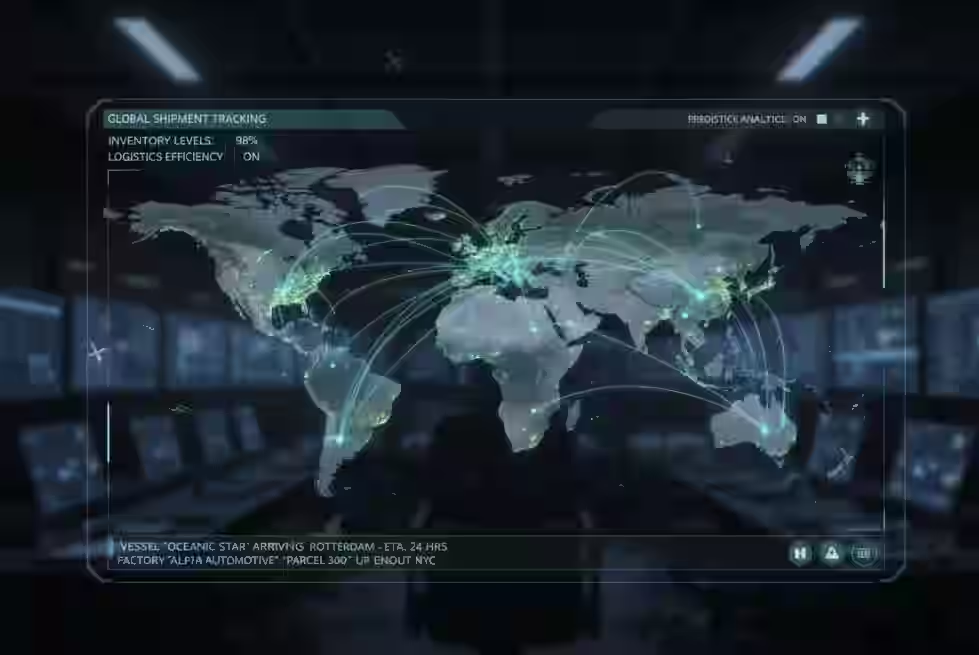
APIs exchange data in real time rather than in scheduled batches, which matters most for things like live shipment tracking, dynamic rate quoting, and instant status updates — use cases where EDI's batch cycle (often hours, sometimes once daily) is simply too slow.
A Practical Way to Think About It
- Keep EDI for high-volume, structured, non-urgent transactions with established partners
- Use APIs for anything needing real-time visibility — tracking, rate quotes, exception alerts
- Many modern logistics platforms support both, translating between formats so trading partners aren't forced to choose
The question usually isn't 'EDI or API' — it's which transactions actually need real-time data, and which are fine running on yesterday's batch.