
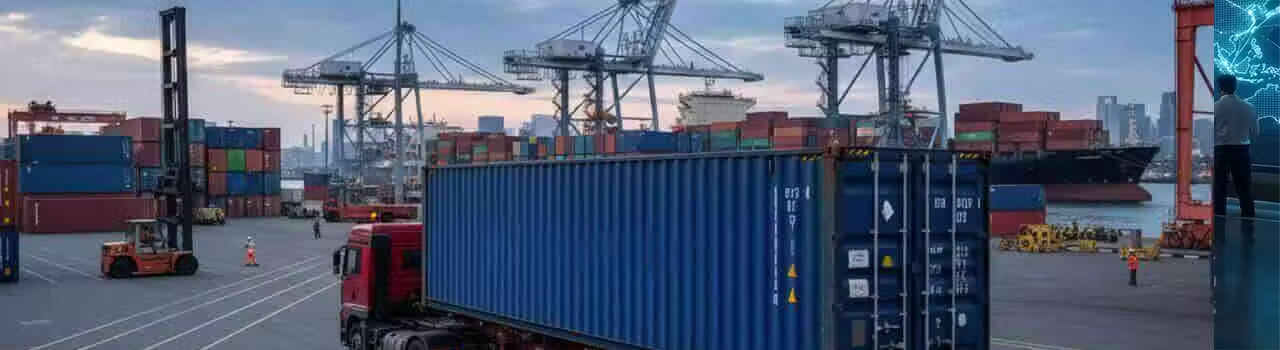
Demurrage (port storage fees) and per diem (container detention fees) are two of the most common — and most avoidable — costs in international shipping. Both are essentially late fees: demurrage for leaving a container at the terminal too long, per diem for holding onto the carrier's container past the free time allowed.
1. Know Your Free Time Before the Vessel Arrives
Free time varies by port, carrier, and contract — typically 3-5 days for demurrage and similar for per diem, but it can be shorter during peak season. Confirm the exact free time window as soon as the bill of lading is issued, not after the ship docks.
2. Pre-Arrange Drayage Before the Vessel Discharges
The single biggest cause of demurrage is not having a trucker booked and ready when the container becomes available. Line up your drayage provider while the vessel is still in transit, not after it arrives.
3. Have Your Customs Entry Filed in Advance
A container can't move until customs releases it. Filing your entry before vessel arrival (rather than after) removes one of the most common bottlenecks that eats into free time before the container even reaches the chassis.
4. Return Empty Containers Immediately
Per diem clocks keep running until the empty container is returned to the carrier's designated depot — not just unloaded. Depot availability can also be limited during congestion, so confirm return locations are accepting empties before the container leaves the terminal.
5. Track Free Time Like a Deadline, Not an Estimate
Set calendar alerts for the actual last free day for both demurrage and per diem separately — they don't always end on the same date. A single missed day can trigger charges that run into the hundreds of dollars per container, per day.
Demurrage and per diem aren't shipping costs — they're the cost of a timing gap somewhere in the process. Closing that gap is almost always cheaper than paying the fee.