
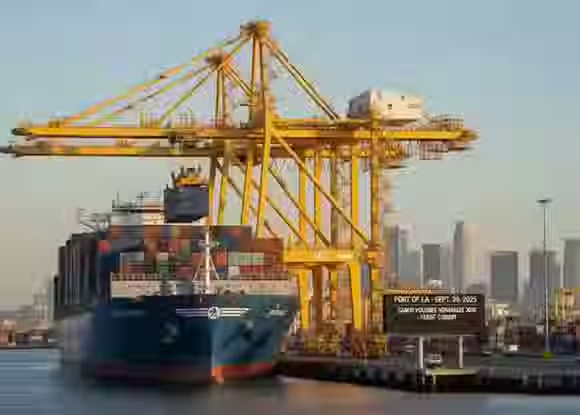
After a stretch of years where spot market flexibility often beat locked-in contract rates, 2026's unusually volatile freight market — sharp transpacific spikes alongside falling Middle East rates, tariff-driven demand shifts, and shifting alliance capacity — has more shippers reconsidering the balance between contract and spot.
Why Spot Made Sense in Calmer Markets
When rates move gradually and predictably, staying on the spot market lets shippers capture rate dips without being locked into a contract rate that might be higher than the current market. That flexibility has real value when volatility is low.
Why 2026's Volatility Changes the Calculation
- Rapid, large rate swings mean spot exposure can just as easily mean paying a peak-season premium as catching a dip
- Equipment and space shortages have made spot capacity availability unreliable, not just expensive, on some lanes
- Contract rates lock in not just price but priority access to space and equipment when carriers are allocating constrained capacity
A Middle-Ground Approach
Many shippers are moving a larger share of predictable, recurring volume to contract rates for cost and capacity certainty, while keeping a smaller portion on spot for genuinely flexible or opportunistic shipments — rather than an all-contract or all-spot strategy.
Spot rates reward shippers who can react fast to a calm market. Contract rates reward shippers who need certainty in a volatile one. 2026 has been the volatile kind.