
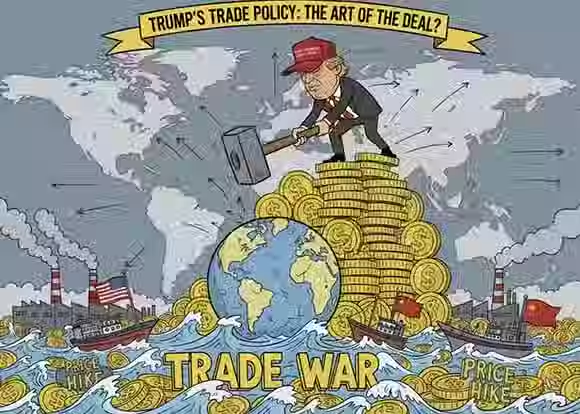
Implementation of the EU-US trade framework has continued through the summer, adding another moving piece for shippers managing transatlantic freight alongside an already active year of country- and product-specific tariff actions.
Why This Matters Beyond the Headlines
Trade frameworks like this one typically phase in over months, meaning the rules in effect today may not match what's in effect by year end. Shippers relying on a single point-in-time compliance check risk falling out of alignment as provisions phase in.
What to Keep an Eye On
- Product-specific carve-outs or exceptions that may apply differently to your HTS codes than to the broader framework
- Any transition periods or grace windows built into the implementation timeline
- How the framework interacts with existing Section 301 or Section 232 actions already in place on the same products
European Port Congestion Adds Another Layer
Separately, European gateway ports including Rotterdam, Antwerp, and Hamburg have faced significant congestion this peak season, with vessel bunching and inland rail delays compounding the effect of any policy-driven volume shifts.
A trade framework rolling out in phases means 'compliant today' isn't the same as 'compliant for the rest of the year.' Build in a recheck, not a one-time check.