
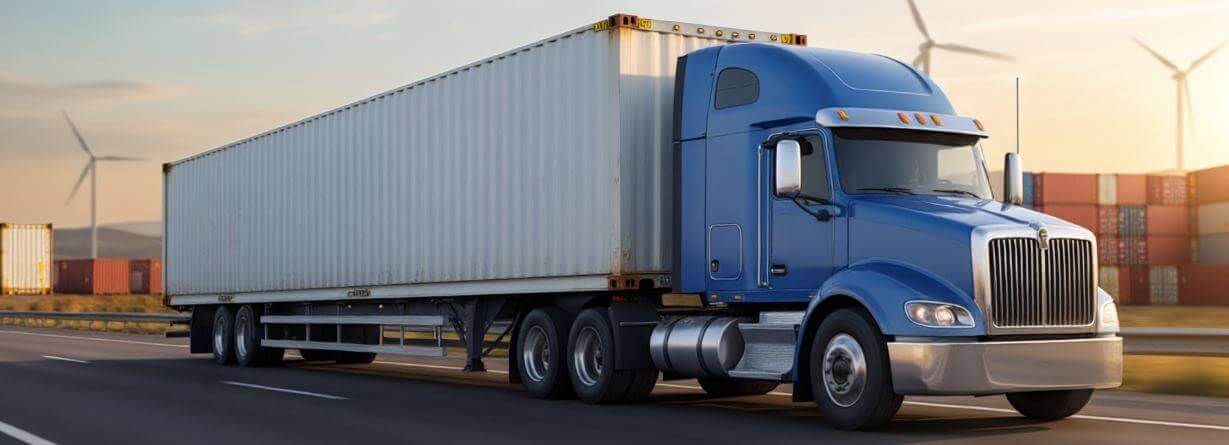
Electric truck adoption requirements remain a patchwork rather than a national standard, with individual states continuing to set their own timelines, incentives, and compliance thresholds for fleet operators in 2026.
Why the Patchwork Matters for Multi-State Fleets
A fleet operating across multiple states can face different compliance timelines and requirements depending on where vehicles are registered and operated, making a single national compliance strategy insufficient for carriers running interstate routes.
What to Track by State
- Zero-emission vehicle sales requirements for new truck purchases, which vary in both timeline and vehicle class scope
- Available incentive programs, which can materially offset the higher upfront cost of electric equipment where they exist
- Charging infrastructure availability along your actual routes, since a compliant vehicle without accessible charging creates its own operational problem
The Practical Reality for Most Fleets
Many carriers are approaching this incrementally — electrifying regional and drayage routes where charging infrastructure and shorter routes make the economics work, while holding off on long-haul electrification where range and charging availability remain more limiting.
There's no single 'EV trucking compliance date' anymore — there's a different one for nearly every state you operate in, and the right strategy depends on your specific route mix.