
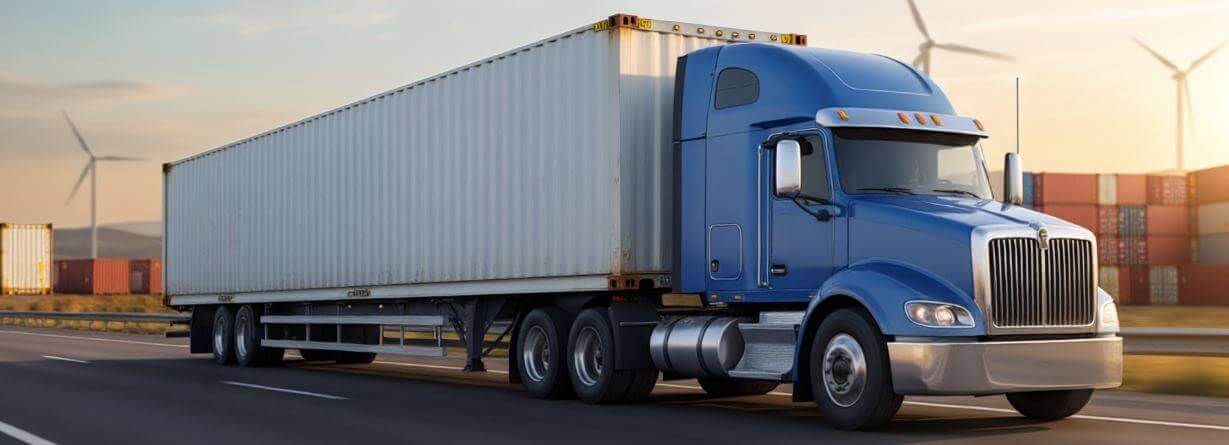
Booking the wrong trailer type is one of the most common (and most expensive) mistakes new shippers make. The right equipment choice affects your rate, your transit reliability, and whether your product arrives in sellable condition.
Dry Van: The Default for a Reason
Dry vans handle the vast majority of US freight because they're the most widely available equipment type, which usually means better rates and faster booking. If your cargo doesn't need temperature control and isn't oversized, a dry van is almost always the right starting point.
Reefer: When Temperature Control Isn't Optional
Refrigerated trailers cost more to run and typically carry a rate premium of 15-30% over dry van on the same lane, because carriers have fewer reefer units and higher fuel costs from running the unit continuously. Reserve reefer for genuinely temperature-sensitive cargo — food, pharmaceuticals, certain chemicals — rather than defaulting to it out of caution.
Flatbed: For Freight That Doesn't Fit in a Box
Oversized, irregularly shaped, or construction-related freight often needs a flatbed, step deck, or RGN trailer. These require specialized securement (chains, straps, tarps) and sometimes permits for oversize loads, so lead times tend to be longer.
- Dry van: palletized general freight, retail goods, packaged consumer products
- Reefer: food and beverage, pharmaceuticals, floral, anything with a strict temperature range
- Flatbed/Step deck: steel, lumber, machinery, oversized equipment
The cheapest quote isn't always the cheapest shipment — the wrong equipment type can mean rejected freight, damage claims, or a carrier who can't actually perform the move.
If you're not sure which equipment your freight needs, it's worth a quick conversation before you book — getting it right the first time avoids reload delays and unplanned accessorial charges.