
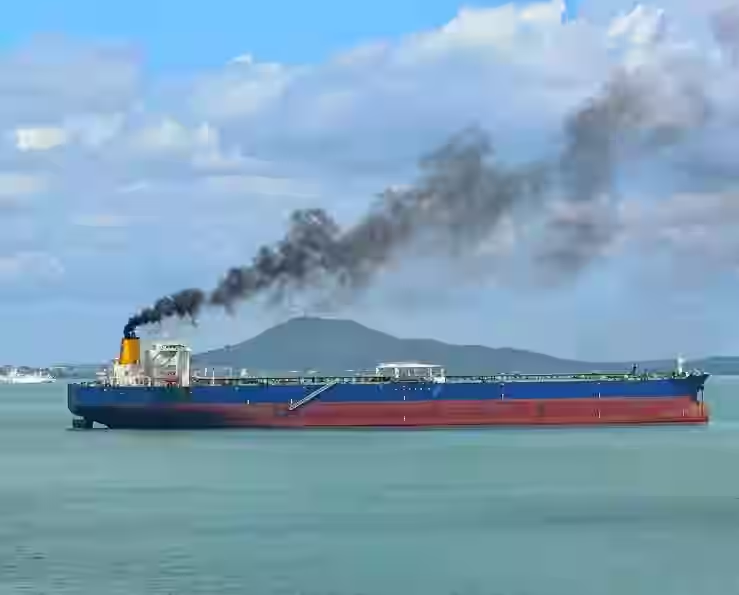
International shipping's emissions framework, developed through the International Maritime Organization, continues to phase in globally, adding a carbon-cost component to ocean freight that shippers increasingly see reflected in surcharges rather than buried in the base rate.
Why This Shows Up as a Separate Line Item
Rather than folding carbon compliance costs into the base freight rate, many carriers have opted to surcharge it separately — similar to how BAF isolates fuel cost fluctuation. This makes the carbon cost visible and comparable across carriers, but also means it's another line item to budget for on top of existing surcharges.
What Shippers Should Understand
- The surcharge is generally tied to vessel emissions performance, meaning it can vary by carrier and even by specific vessel deployed on your service
- Carriers investing earlier in cleaner fuel or more efficient vessels may offer a lower effective carbon surcharge as a competitive differentiator
- This is a structural, long-term cost component, not a temporary market-driven surcharge like PSS — it isn't going to disappear once peak season ends
How to Plan Around It
Building the carbon surcharge into long-term freight budgets, rather than treating it as a peak-season anomaly, will better reflect where ocean freight costs are headed structurally over the next several years.
Fuel surcharges rise and fall with oil prices. Carbon surcharges are a structural shift in how ocean freight is priced going forward — treat them accordingly in your budgeting.