
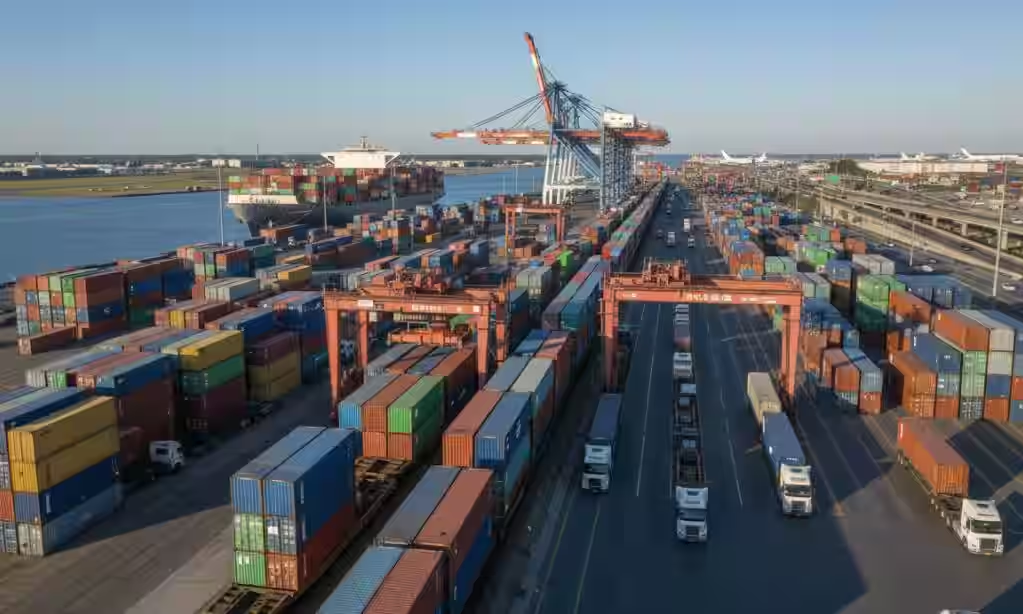
Intermodal (rail plus a short truck move on each end) is often 10-20% cheaper than pure over-the-road truckload on long-haul lanes, but the savings come with tradeoffs in transit time and flexibility that matter for certain freight.
Where Intermodal Wins
- Long-haul lanes (750+ miles), where rail's cost efficiency over distance outweighs the extra handling
- Non-perishable, non-time-critical freight with flexible delivery windows
- Shippers looking to reduce their carbon footprint — rail is significantly more fuel-efficient per ton-mile than truck
- Lanes with reliable rail service and minimal drayage distance on each end
Where Truckload Still Makes More Sense
- Shorter lanes where the extra transload handling isn't offset by enough distance savings
- Time-sensitive freight where the 1-3 extra transit days intermodal typically adds isn't acceptable
- Freight sensitive to extra handling, since intermodal involves an additional lift on and off railcars
The 2026 Driver Shortage Factor
With truckload capacity tightening in certain lanes due to ongoing driver shortages, intermodal has become an increasingly attractive hedge — not just for cost, but for capacity assurance when truck availability gets tight during peak periods.
Intermodal isn't automatically cheaper — it's cheaper on the right lane, for the right freight, with the right time flexibility.