
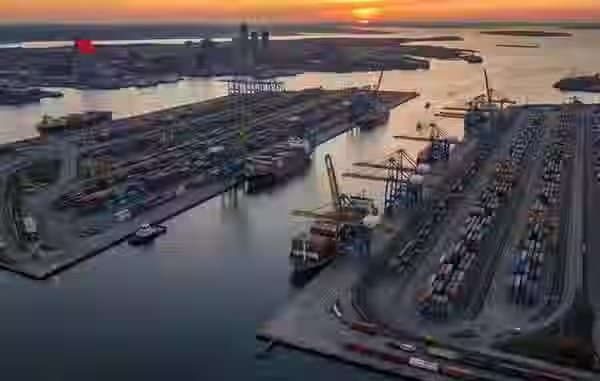
The Panama Canal's daily transit slot restrictions during the drought years forced significant rerouting, added transit time, and pushed up spot rates on affected lanes. Water levels have since recovered, but the disruption left lasting changes in how shippers plan routing.
Where Things Stand
Daily transit slots have returned closer to historical norms as reservoir levels recovered, easing the bottleneck that previously forced vessels into long queues or costly slot auctions.
What Shippers Learned From the Disruption
- Single-corridor dependency is a real risk — shippers who had a backup routing plan (via Suez or all-water West Coast routings) weathered the disruption with far less cost impact
- Booking further in advance during any seasonal dry period reduces exposure to slot auction premiums
- Building minor schedule buffer into time-sensitive shipments protects against corridor-specific disruptions generally, not just this one
Watching Ahead
Even with recovered water levels, seasonal variation in rainfall means the canal authority continues to monitor and adjust transit capacity annually. Shippers with Panama-dependent lanes should keep an alternate routing option on file rather than assuming normal capacity is guaranteed year-round.
The lesson from the drought wasn't really about the Panama Canal specifically — it was about the cost of having exactly one route with no backup plan.