
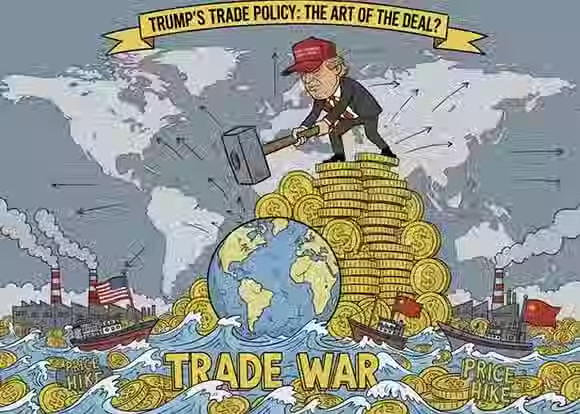
Section 301 tariffs — additional duties imposed in response to specific trade practices, most notably on goods from China — have been a fixture of the import landscape for several years now, but the product lists and rates are periodically revised, which catches importers off guard.
What Section 301 Actually Covers
These tariffs apply on top of standard HTS duty rates, targeting specific product categories identified through the US Trade Representative's review process. Coverage is not universal — it applies to specific HTS subheadings listed in official notices, not to "Chinese goods" as a blanket category.
How to Check If You're Affected
- Cross-reference your product's HTS code against the current Section 301 exclusion and inclusion lists
- Check country of origin carefully — origin is determined by where substantial transformation occurred, not simply where the product was shipped from
- Review exclusion requests periodically, as some product-specific exclusions are renewed, expired, or newly granted
Why This Needs Regular Rechecking
Unlike standard HTS rates, which change infrequently, Section 301 lists and exclusions are updated through ongoing trade actions and reviews. A product that was exempt last year may not be this year, and vice versa.
Section 301 exposure isn't a one-time check — it's a standing item to reverify whenever you add a new product or the trade policy landscape shifts.